Understanding a Roadworthiness Test Result
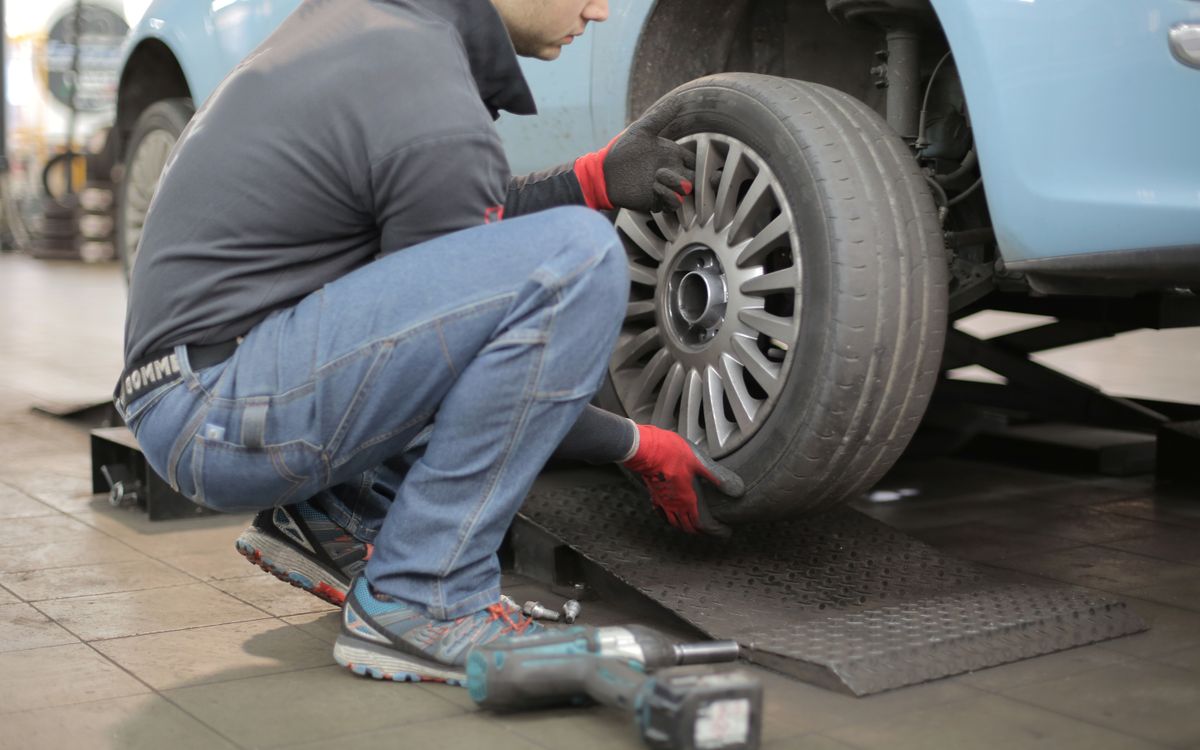
An annual roadworthiness test produces more information than a pass or fail, and the additional notes are the useful part for anyone planning maintenance.
The categories of finding
Dangerous defects mean the vehicle should not be driven and must be repaired before use.
Major defects cause a failure and must be repaired and retested.
Minor defects allow a pass and should be repaired soon.
Advisories note items that are wearing but still within limits, and are the tester's warning about what is coming.
Reading advisories properly
An advisory that tyre tread is approaching the limit means it will fail next year and probably sooner in wet weather.
Advisories about corrosion, suspension components or brake wear indicate cost approaching, and knowing that lets you budget rather than being surprised.
Comparing this year's advisories with last year's shows the rate of deterioration, which is more informative than either alone. An item advised two years running is close.
Using historical records
Many jurisdictions publish test history online by registration, including advisories and recorded mileage.
This is genuinely useful when buying a used vehicle: it shows what has been advised repeatedly, whether recurring problems were ever fixed, and whether the mileage pattern is consistent.
A vehicle with the same advisory for four consecutive years is one where maintenance has been deferred.
Common failure items
Lighting and signalling, which is the most frequent failure category and among the cheapest to prevent by checking bulbs periodically.
Tyres, including tread depth, damage and incorrect specification.
Brakes, including efficiency, imbalance and worn components.
Suspension components, particularly on older vehicles and poor road surfaces.
Driver visibility, including wiper condition, washer function and windscreen damage in the swept area.
Several of these are avoidable with a check before the test.
Before the test
Check all bulbs, top up washer fluid, check wiper blades, check tyre tread and pressures, and confirm the registration plate is legible.
Clear the vehicle so the tester can access what they need.
A pre-test check at a garage costs little and identifies items you can address before a formal failure is recorded.
After a failure
You are generally entitled to a reduced-rate or free retest within a defined period, subject to conditions about where repairs were carried out.
You are not obliged to have the repairs done at the testing station. Getting a second quote is reasonable, particularly for substantial work.
Driving a vehicle with a dangerous defect is an offence regardless of when the test expires.
Article Was Generated By AI.