Storage Solutions for Small Homes
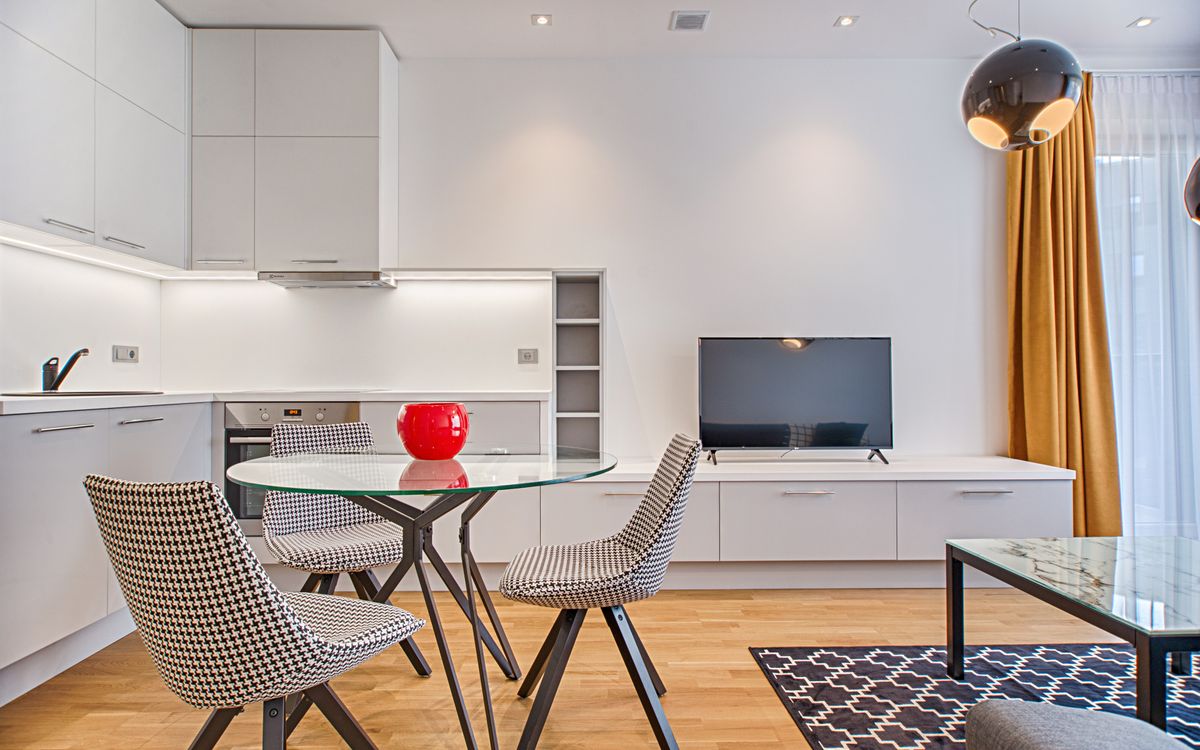
Storage problems are usually volume problems, and the volume available in a small home is greater than it appears once vertical and awkward spaces are used.
Where the unused volume is
Above door height, which is dead space in almost every room. Shelving at that level holds a substantial amount of infrequently used items.
Under beds, which suits flat storage in shallow containers, or a divan or ottoman bed frame with integrated storage.
Stairs, where the space underneath can hold pull-out units or a cupboard rather than being left as an awkward triangle.
The full depth of built-in wardrobes, which frequently have a metre of unused height above the hanging rail.
Hallway walls, where shallow shelving or hooks add capacity without obstructing.
Built-in versus freestanding
Built-in storage uses awkward geometry that standard furniture cannot — alcoves beside chimney breasts, sloping ceilings, irregular corners.
In a small room the difference is significant, because the gaps around and above freestanding furniture are exactly the space you are short of.
The trade-off is cost and permanence. In a rented property or a short-term home, freestanding remains the practical choice.
Furniture that does two jobs
Ottoman storage benches, beds with drawers, coffee tables with lift tops, and hallway seating with shoe storage beneath.
Wall-mounted desks and drop-leaf tables that fold away when not in use.
These add capacity without adding footprint, which is the constraint in a small room.
The part people skip
Reducing what is stored. Storage solutions applied to too many possessions simply relocate the problem.
Working through one category at a time — clothing, kitchen equipment, paperwork, tools — and removing what is not used is more effective than any container.
Seasonal rotation, where out-of-season items go to the least accessible storage, frees the accessible space for what is actually in use.
Practical points
Measure before buying anything, including the route it must travel to get into position.
Fix tall furniture to the wall, which is a genuine safety matter with children in the house.
Check what walls are made of before hanging heavy shelving, since plasterboard needs appropriate fixings and stud positions.
Keep frequently used items between waist and shoulder height, which is the accessible zone, and reserve high and low storage for things used rarely.
Article Was Generated By AI.